Physical Address
304 North Cardinal St.
Dorchester Center, MA 02124
Physical Address
304 North Cardinal St.
Dorchester Center, MA 02124

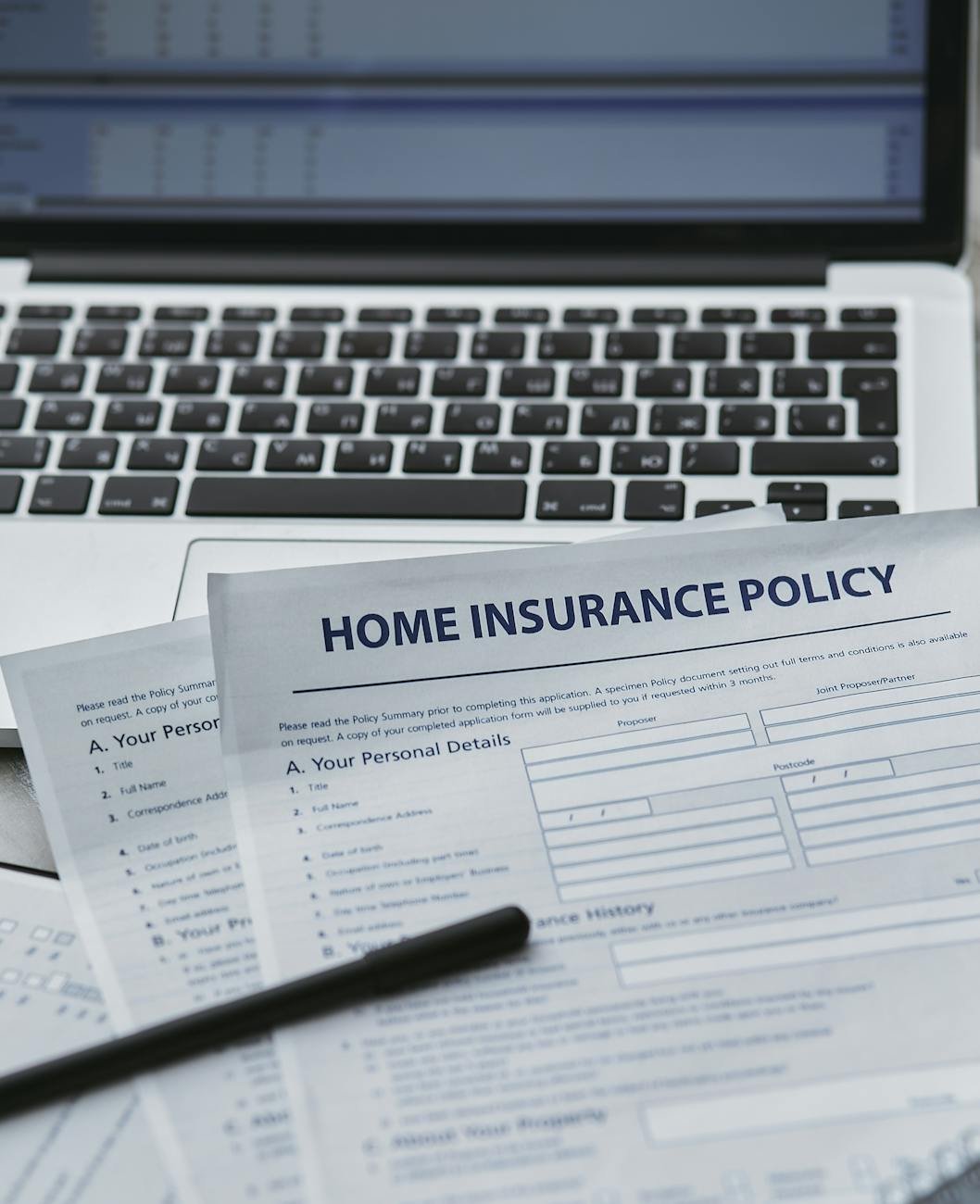
Protect your professional tools with office equipment insurance: your shield for productivity and peace of mind!
Ever had to scramble for a backup printer right before an important deadline? I get it, technology can throw surprises when you least expect it. I remember the day my brand-new scanner went dark in the middle of an audit, and suddenly I was racing to borrow a coworker’s device just to finish on time. Office equipment insurance might sound like an extra expense, but trust me, it is one of the smartest moves you can make to safeguard your everyday workflow. In this guide, I’ll walk you through everything—from understanding your options to filing a claim without losing sleep—so you can keep those printers, scanners and projectors humming along.
Insurance for your office’s hardware—like printers, scanners and projectors—acts as a safety net when accidents, mechanical failures or theft occur. I know how it feels to see a blinking error message on the printer just as you need a stack of handouts. With the right protection, you repair or replace that printer quickly instead of derailing your entire day.
Policies vary widely across insurers, so it helps to ask targeted questions before signing:
That being said, matching your plan to how you work is key. I’ll guide you through spotting the features you really need and avoiding the ones that don’t add much value.
So here is the thing, your gear faces threats from every angle. Knowing what can go wrong helps you pick the right protection level. Let’s break down the most frequent culprits:
Data loss can be a hidden risk. Modern printers and projectors sometimes store preferences or sensitive documents in internal memory. If that data is compromised or erased, you might need extra coverage for data recovery. Some insurers offer supplemental data protection or IT restoration services—worth asking about if you rely on custom settings or templates.
When it comes to fine print, the devil is in the details. Here are the main policy features to compare side by side:
Beyond price, I always ask my insurer for real-world examples or claim history for clients similar to my own. That gives you a sense of who pays out promptly and who throws up roadblocks. And if you’re weighing buying versus renting, you might also explore our office equipment leasing options to see which route aligns best with your cash flow and risk tolerance.
Before you pick a coverage limit, you need a clear picture of what you actually own and what each item would cost to replace today. Here is a thought: start with a structured inventory.
| Equipment | Quantity | Replacement cost each | Total value |
|---|---|---|---|
| Laser printer | 2 | $450 | $900 |
| High-res scanner | 1 | $1,200 | $1,200 |
| Presentation projector | 1 | $2,000 | $2,000 |
Adding up these totals helps you set a baseline coverage limit. If the numbers look jaw-dropping, you can tier your schedule—cover mission-critical devices at full replacement cost while giving less vital backups lower limits. If replacement costs still feel steep, you might explore our office equipment financing options to spread that expense over time.
Prices change, and so does your setup. Make it a habit to revisit this list once a year—or whenever you add or retire gear—to ensure your coverage stays in sync with reality.
When a glitch strikes, a clear claims process keeps stress low. Here is what I do to get things moving fast:
Trust me, this upfront effort pays dividends. Skipping steps or missing information can stall your claim, which means more downtime and more frustration. When I once filed a claim late and learned my policy had a 14-day reporting window, I ended up footing the full repair bill. Since then, I’ve set a reminder on my calendar to file claims as soon as an incident occurs.
We’re all juggling budgets, so finding ways to lower premiums without sacrificing necessary protection is a win. Here are some friendly strategies:
I once bumped up my deductible from $500 to $1,000 after realizing I had backup devices in storage. That move trimmed my annual premium by about 15 percent, and I still felt safe knowing I could cover a claim if needed. It’s these small adjustments that add up over time, especially for freelancers or small businesses watching every dollar.
Coverage is not a one-and-done task. To keep your plan aligned with your actual needs, consider these routine steps:
Here is a thought, if you find a significant rate hike on renewal, ask your agent for the reasoning. Sometimes a simple conversation clarifies whether new risks have been assessed or if there is room for adjustment. You might even leverage that information to negotiate better terms.
Insuring your office essentials may feel like an extra chore, but it is really a safety net that keeps your productivity humming. From spotting risks to filing claims swiftly, you now have a roadmap for choosing and managing coverage that fits your unique needs.
Remember, we’re in this together. A little preparation today—listing your equipment, reviewing policy details and staying on top of upgrades—goes a long way toward avoiding headaches tomorrow. Here is the truth, even the best-laid plans can encounter hiccups. But by following the steps above, you turn guesswork into a well-oiled process. If the idea of paperwork feels daunting, start small—inventory a single device or flag a note to check your deductible. Those bite-sized actions build momentum and confidence. Before you know it, you’ll breeze through your annual policy review just like any other admin task.
You’re not alone in this. I’m right here cheering you on as you protect the tools that keep your work moving forward. Now let’s keep those printers printing, scanners scanning and projectors projecting without missing a beat.
