Physical Address
304 North Cardinal St.
Dorchester Center, MA 02124
Physical Address
304 North Cardinal St.
Dorchester Center, MA 02124
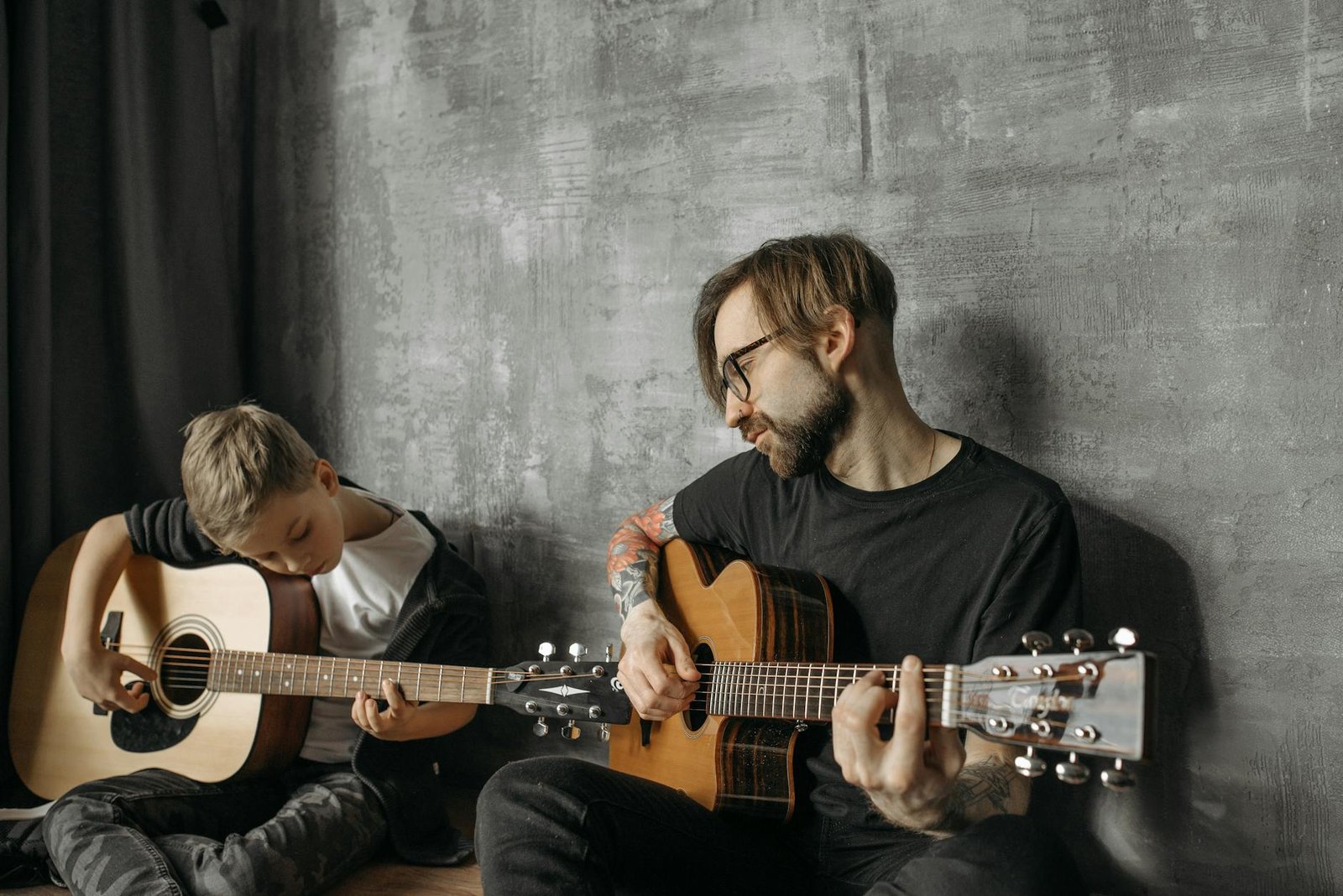
Discover the top e-learning platform for music lessons I found! Learn from anywhere with ease & expertise.
I still remember the day I decided that I really wanted to take my guitar skills up a notch. Signing up with a private instructor was tempting, but my schedule was all over the place. Then a friend mentioned an e-learning platform for music lessons, and I was intrigued. Having online lessons at my fingertips, whenever I had a free moment, sounded like a dream setup. Little did I know just how transformative that one decision would be. In this guide, I am sharing my entire journey, from why I felt online music lessons were necessary to the features that mattered most to me and, ultimately, how I settled on a platform that fit like a glove.
Before stumbling upon an e-learning platform for music lessons, I used to rely on random YouTube tutorials and the occasional PDF chord chart. While those resources are helpful in a pinch, they often left me feeling scattered. One day it occurred to me that piecemeal learning was stunting my overall progress. Sometimes I would learn one technique, but that knowledge never tied into the broader picture of music theory or performance skills. I needed a more cohesive approach.
I also wanted feedback, something I felt video lessons alone could not provide. In traditional in-person lessons, you get that real-time correction and encouragement. Online tutorials rarely offered the same sense of direction. There were times when I wondered if I was practicing the right way, or if I was picking up bad habits I would have to unlearn later. That lingering doubt was the catalyst for researching more structured e-learning solutions.
Another big factor was flexibility. My schedule is unpredictable, so locking in a fixed time slot every week was tough. Having a self-paced online course meant I could learn whenever I had a spare minute, whether that was early in the morning or late at night. The idea of shaping the lessons around my life, rather than the other way around, was a huge draw.
At first glance, music lessons might seem like any other online course, but they come with their own quirks. Often, you need to watch someone demonstrate proper hand positions or show the right posture for a specific instrument. There is also an auditory component that is critical since you have to hear pitch, tempo, and tone. A generic platform might not always address those specialized needs.
I found that many e-learning providers cater to programming, business, or art, but not every platform truly acknowledges the interactive nature of playing an instrument. You might be thinking, “Why does that matter if I can just watch a video demonstration?” In my experience, seeing something done live and then replicating it in real time often leads to better muscle memory. Plus, if the platform includes any live feedback feature or interactive tool, you can be sure you are not just aimlessly repeating the same mistakes.
There is also a performance aspect. Music practice can be solitary, and beginners can burn out easily if they feel too isolated. An e-learning platform structured for musicians often includes a community component, like forums or small group classes, where people can share progress videos or get performance tips. Those community interactions add just enough accountability to keep me motivated, especially on days when I would rather watch TV than practice new chords.
Over time, I made a mental checklist of the features I believed were critical for a solid e-learning platform for music lessons. Let me walk you through them:
If you want a deeper dive into how these features compare across different solutions, take a peek at our e-learning platform comparison. It breaks down the functionalities that various providers offer, so you can see at a glance which might suit your musical needs.
When I first started exploring online options, I had no idea there were so many. I read a few threads, watched some demo videos, and jotted down notes on which platforms resonated with me. Eventually, I narrowed it down to four main contenders. Here is a quick snapshot of how they measured up.
| Platform | Key Feature | Price Range | Ideal For |
|---|---|---|---|
| Allegro Academy | Personalized feedback system | $$ – $$$ | Learners needing 1:1 guidance |
| Melody Master | Step-by-step lesson structure | $ – $$ | Absolute beginners |
| Virtuoso Hub | Virtual jam sessions & forums | $$ | Social learners craving interaction |
| Strings and Beats | Hybrid of recorded & live sessions | $$$ | Advanced players seeking flexibility |
Allegro Academy surprised me with the depth of its feedback system. You can upload recordings of your practice sessions, and instructors (or even other community members) offer constructive critiques. This feature was especially valuable when I was trying to perfect chord transitions. Because the instructors specialize in specific instruments, you never feel like you are communicating with someone who is “winging it.” They know the best exercises, and they tailor them to your needs.
If you are brand new to music, Melody Master offers an extremely digestible course flow. Every lesson is broken into tiny increments, and the platform rewards you with badges or points for completing each step. Sure, it might sound simplistic, but that sort of gamification can be incredibly motivating, especially when you are first learning how to read sheet music or develop your ear. Another plus is the lower price, making it more accessible if you are on a tight budget.
Virtuoso Hub is for the extroverted learner. It integrates chat rooms, specialized forums for each instrument, and live jam sessions you can join if you feel comfortable playing with others online. Audio and video quality can vary, depending on everyone’s internet speed, so it is not always perfect. Still, the sense of camaraderie and group feedback might make this a worthwhile option. It can really give you that “I am in a band” feeling without leaving your living room.
Among all the platforms, Strings and Beats had the widest range of lesson types. Live sessions with well-known instructors are hosted weekly, but you can also watch recorded content afterward if you miss the live stream. This is a bonus for advanced learners who want to refine specific styles, like jazz improvisation or fingerstyle guitar. The catch is the price. It is one of the more expensive platforms, which might give you pause if you are not sure how far you will go in your musical journey.
If you are looking for a broader overview of platforms outside just music, you could also check out best online course platforms. That resource showcases a wider scope of e-learning providers, which can be helpful if you want to keep your learning options open for subjects beyond music.
Once you find an e-learning platform for music lessons that catches your eye, the next step is preparing a dedicated area at home. Sounds simple, but it makes a big difference. I used to just pick up my guitar on the couch, but that led to frequent distractions—my phone buzzing, the TV in the background, you name it.
Here is what worked for me:
A quiet, well-lit space quickly became my motivational zone. Every time I sat down in that area, it was like my brain knew “Okay, time to practice.” If you are an educator or you plan to share your space with students, you might want to explore e-learning platform for educators to see how instructors create virtual classrooms that feel inviting.
Even with a fantastic online platform, you can hit plateaus or lose steam. Here are some tactics that kept me on track:
The key is consistency. Pick a strategy that resonates with you and stick with it. Some platforms even integrate habit trackers or progress dashboards that make it easier to watch your improvement over time. If you are a creative juggling multiple projects, you might be interested in online course platform for creatives to discover how others balance artistry with structured learning.
Choosing the best e-learning platform for music lessons was not just about finding slick video tutorials or zippy gamification. It was about discovering a structured environment that suited my musical goals and personal learning style. I realized that the right fit is unique to each person. What worked for me might not be your top pick if you prefer a different format or need a heavier focus on live lessons.
If you are still weighing your options, you might also want to take a look at online course platform pricing to compare subscription plans thoroughly. After all, committing to an e-learning platform is a lot like signing up for a gym membership. You want to be sure you are investing in something that will genuinely help you grow.
At the end of the day, wherever you are in your musical journey, it is about making steady progress, staying inspired, and enjoying the ride. Being able to learn at my own pace and check in with knowledgeable mentors genuinely elevated my skills. I now look forward to practice sessions instead of feeling guilty for not making time to drive somewhere for a lesson. That convenience and sense of community are priceless.
If you decide to take the leap and enroll in an online music course, just remember: keep your practice space prepped, set manageable goals, ask for feedback often, and reward yourself when you hit those milestones. Trust me, it feels incredible to build momentum and watch your musical abilities flourish day by day.
I hope my personal experience gives you a helpful glimpse into how an e-learning platform for music lessons can change the whole game. Here is to embracing new chords, polishing techniques, and—most importantly—finding joy in every note you play.